Scholarly journals, proceedings and monographs. Printed to a registered specification, issue after issue.
India and Asia Pacific. A title once registered with us is set up the same way in ten years as it is today.
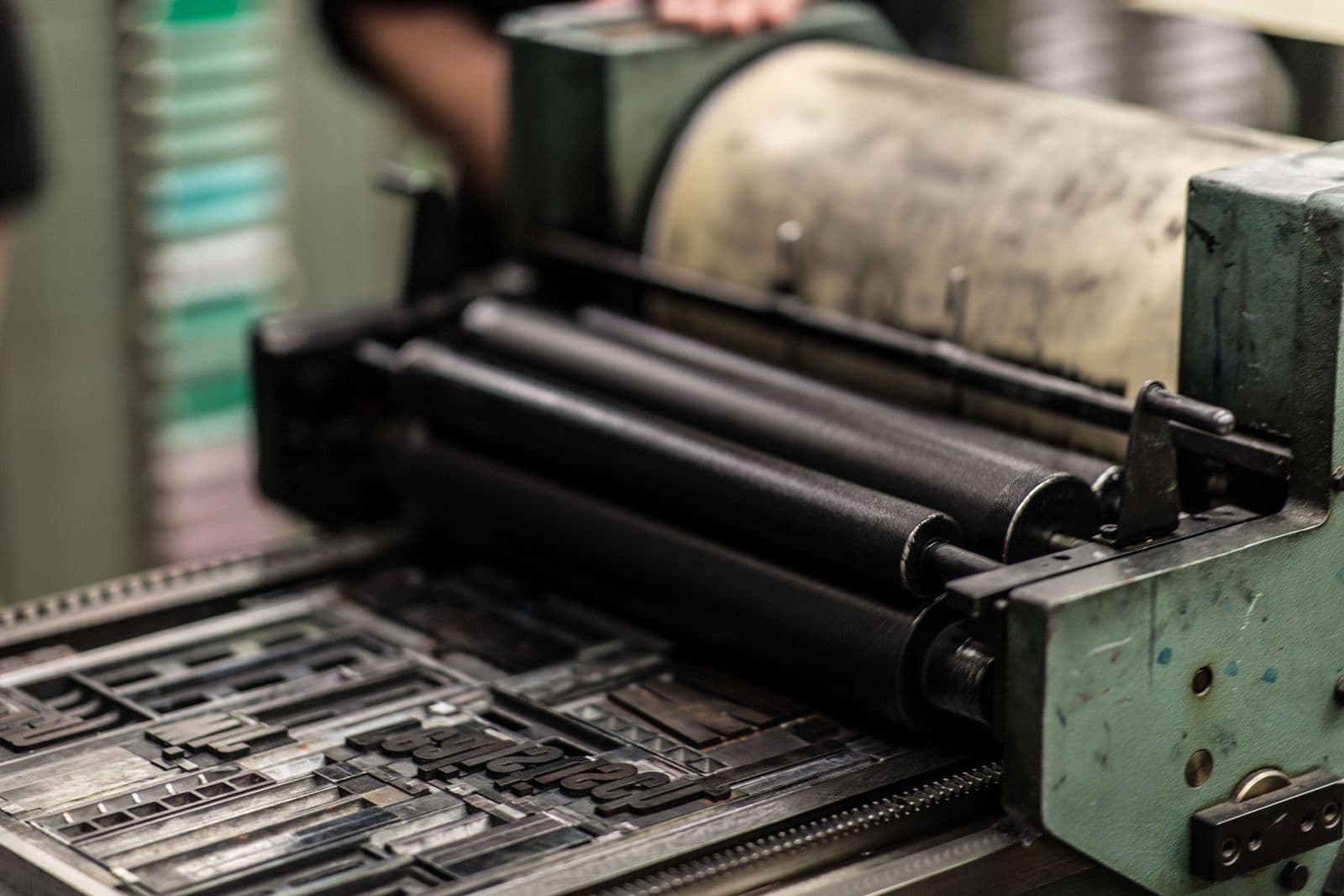
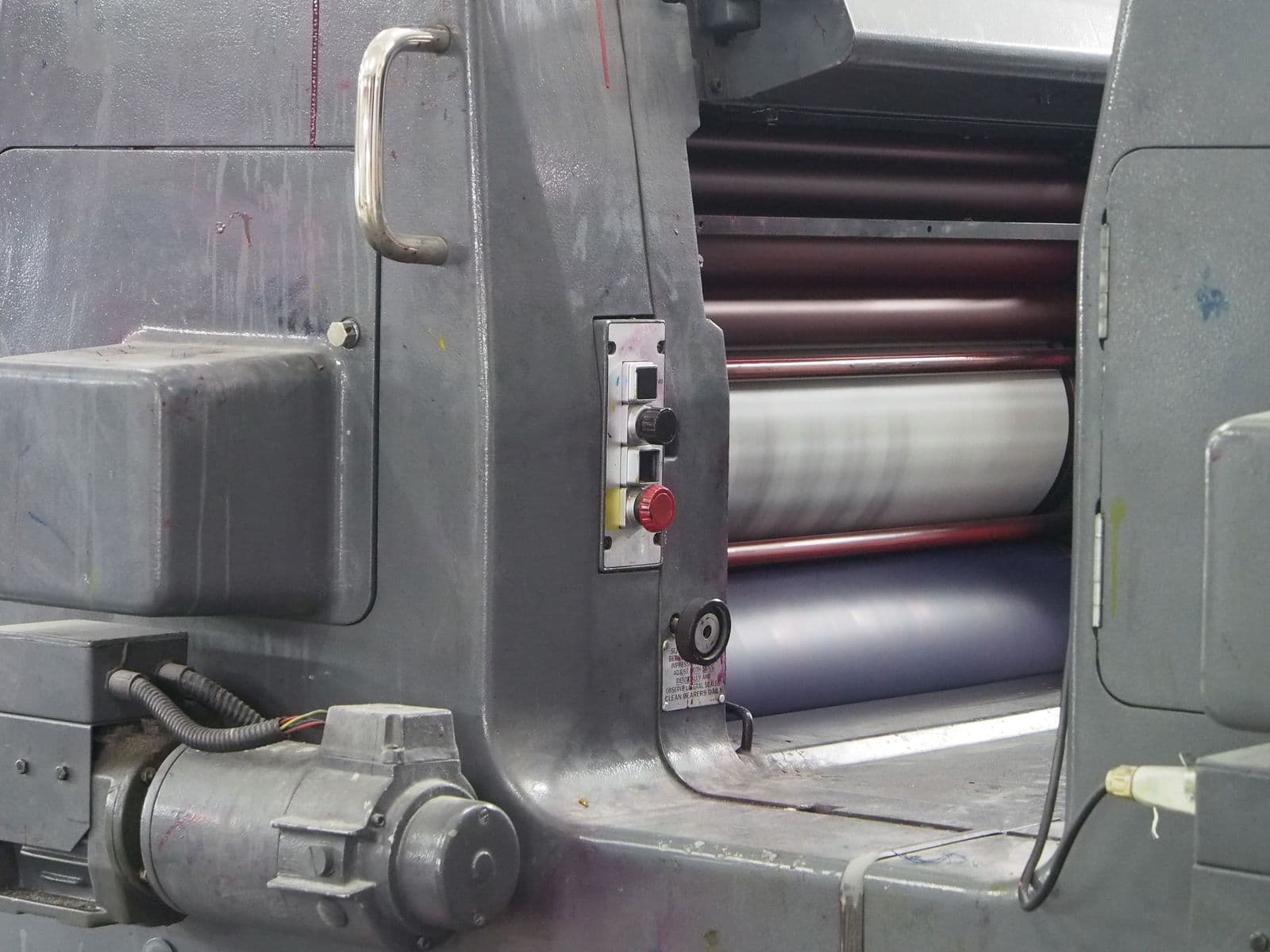
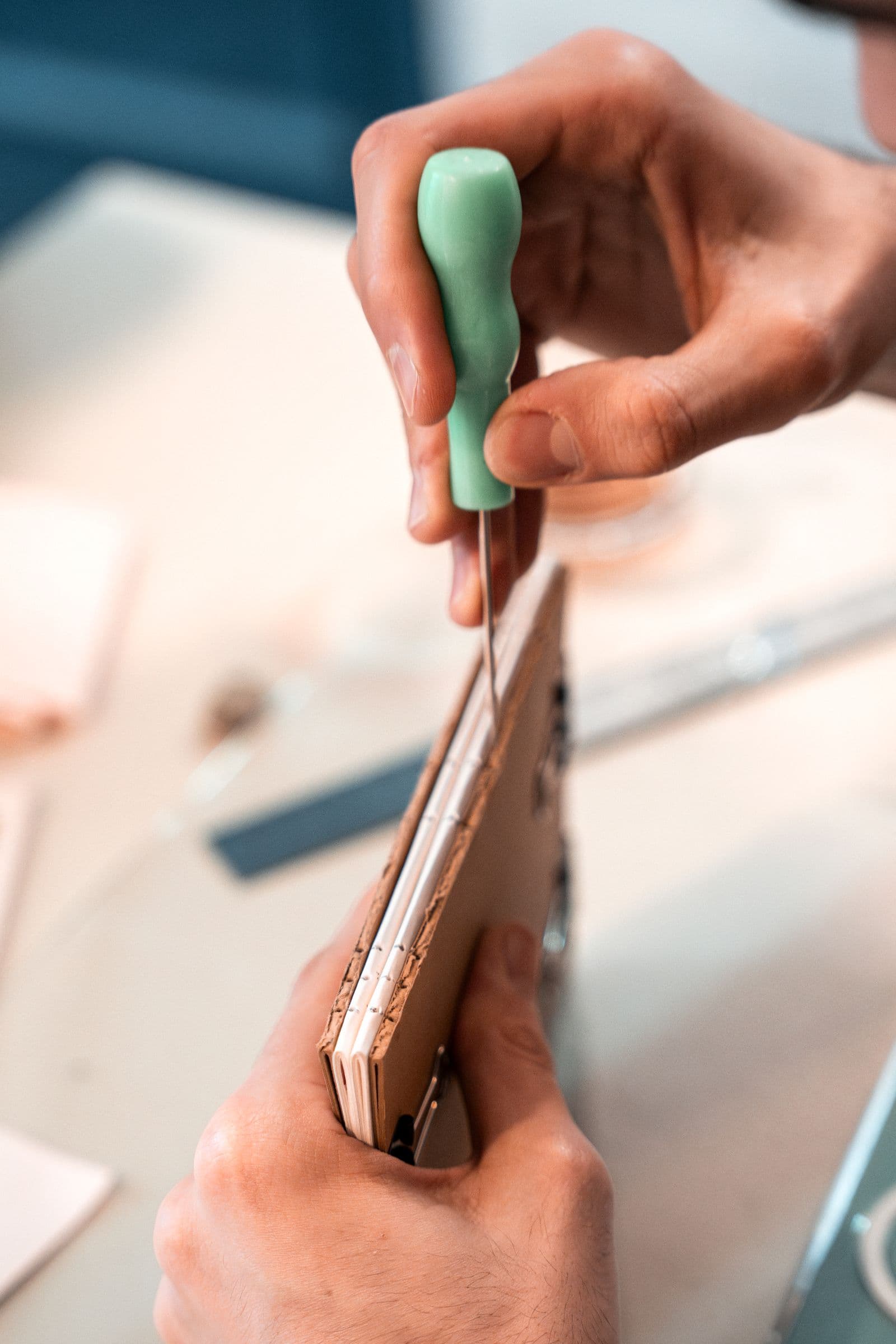
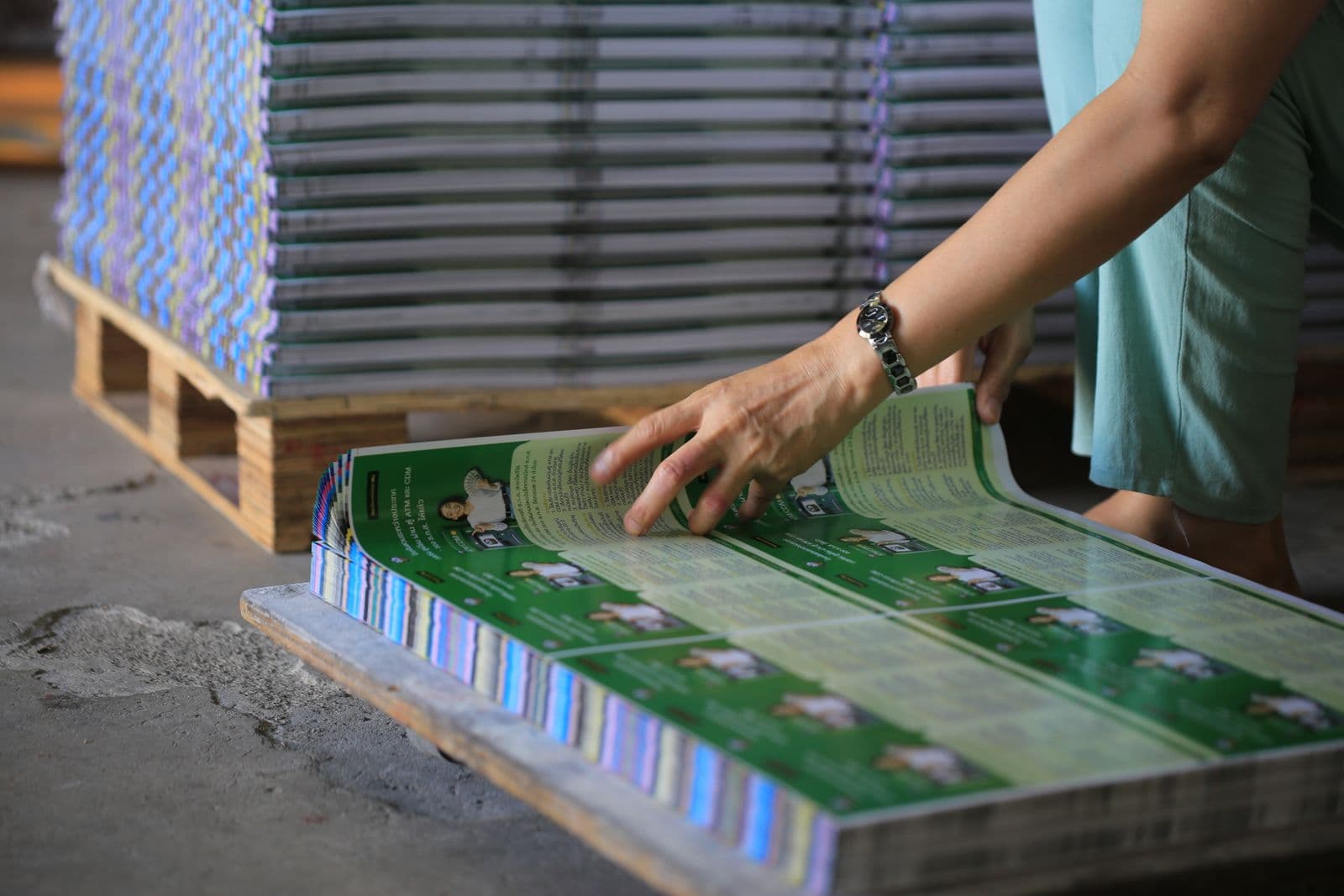
Every issue matches the last.
A journal is not a print job that ends. It returns every quarter for decades, and the only thing a reader notices is the year it stopped looking the same. That is the failure we are built to prevent.
What a journal needs from a printer
Four things, and none of them is a machine.
- 01
A title is registered once
Size, stocks, spine rule, extent basis and colour target are recorded against the title, not against the issue. Volume seventeen is set up from the same sheet as volume one, whoever is at the desk that year.
- 02
The calendar is the contract
Journals live or die by the issue date. We work to your publication calendar, hold the slot, and say plainly what a late file does to the date rather than absorbing it and missing quietly.
- 03
The last issue is the reference
One copy of every issue is retained. The next one is compared against an object on a bench, not against a description in a file. That is the only way a run matches across years.
- 04
Copies reach people
A printed run in a corridor is not a published issue. We hold stock, assemble per recipient and dispatch against your distribution list, with a tracking reference recorded line by line.
What we print
Each of these is quoted on its own, and most institutions arrive with one.
- Job code PR-01Offset and Digital Book PrintingSheet-fed offset for established runs and digital for short and repeat runs, quoted from the same prepress file.Open
- Job code PR-02Journal Issue Printing and Perfect BindingScheduled issue production on a repeating cycle, perfect bound, with the same specification held from issue to issue.Open
- Job code BD-01Hardbound Thesis and Dissertation BindingCase-bound theses to university submission rules, with foil-blocked spine and cover to the specified wording.Open
- Job code PP-01Prepress, Imposition and Colour ProofingPreflight, correction, imposition and contract proofing, so what is approved on the proof is what comes off the press.Open
- Job code PR-03Archival Reprints and Restoration PrintingReprinting from earlier editions where no digital file survives, with page cleanup and matched extent.Open
- Job code FN-01Finishing and EmbellishmentLamination, foil blocking, embossing, spot UV and case-making, specified by effect rather than by name.Open
- Job code DS-01Warehousing, Kitting and DispatchHolding finished stock, assembling per-recipient kits, and dispatching against your distribution list with tracking.Open
- Job code PG-01Institutional Print ProgrammesAn annual arrangement covering an institution's recurring print, worked to one held specification and one rate basis.Open
Taking on a title
Five steps, and after them the title runs itself.
- You send the title: what it is, how often it appears, roughly how many copies, and where they go.
- We read a recent issue as an object, measure it, and tell you what we would keep and what we would change.
- The specification is registered against the title, and the rate basis is agreed for the year rather than per issue.
- The first issue runs with us attending the make-ready, and its reference copy goes on the shelf.
- Every issue after that is set up from the registered sheet and compared against that shelf.
Send us a recent issue. We will tell you what we would do with it.
Not a sales call. We read the issue as an object, measure it, and come back in writing with what we would hold and what we would change, and what that costs per issue across a year.